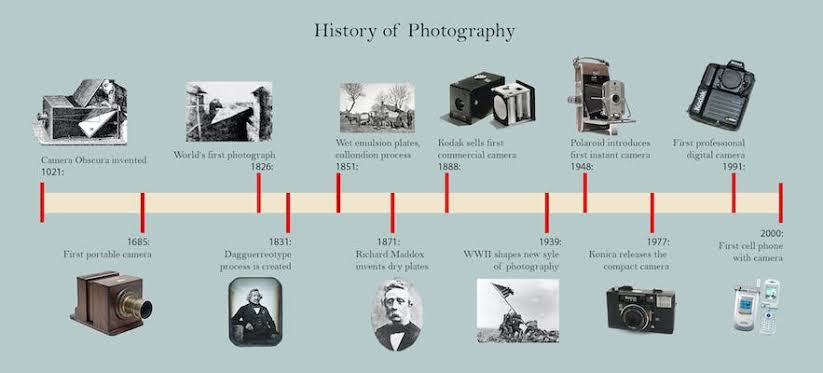
Photography, my friends, is an incredible art form that has revolutionized the way we capture and relive our precious memories. From its humble beginnings to the digital wonders of today, photography has come a long way, transforming the way we perceive and preserve our world. So, get ready to take a delightful trip through time as we unravel the captivating history of photography, filled with remarkable milestones and the ingenious minds behind them.
- Early Days: The Birth of Photography Magic –
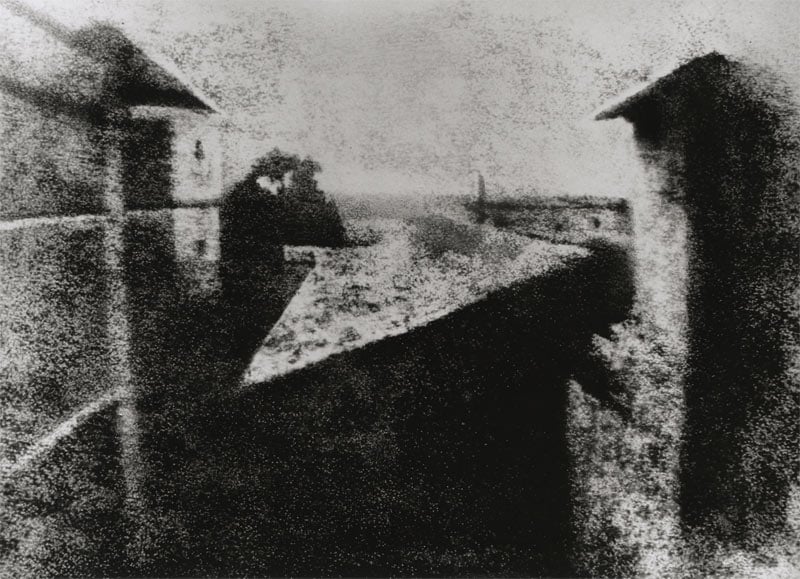
Let’s rewind to the early 19th century, a time when inventors and enthusiasts embarked on a quest to capture the world around them in a permanent way. In 1826, a clever Frenchman named Nicéphore Niépce blew everyone’s minds by producing the first-ever photograph known to humanity. Can you imagine that? It was called “View from the Window at Le Gras,” and although it required an excruciatingly long exposure time, it marked the birth of photography as we know it today. - Daguerreotype: A Momentous Breakthrough
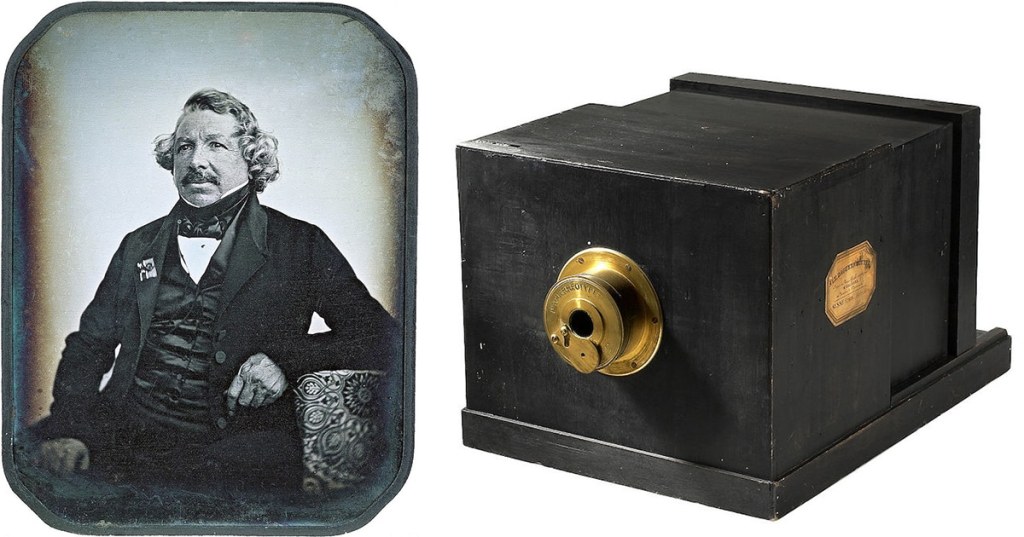
Fast forward to 1839, where we encounter a fellow named Louis Daguerre, a French artist with an inventive streak. He unveiled the daguerreotype process, named after himself because, hey, when you invent something groundbreaking, why not put your name on it? With daguerreotypes, they exposed a silver-coated copper plate to iodine vapor and created light-sensitive silver iodide. After some chemical magic, they had themselves a photograph. These shiny, one-of-a-kind images quickly became all the rage, taking the world by storm.
3. Calotype and Wet Plate Collodion: Paving the Way for Creativity
Moving along the timeline, we stumble upon the 1840s, where photography continued to evolve at a rapid pace. William Henry Fox Talbot, a Brit with a knack for innovation, introduced the calotype process. This technique involved using a paper negative and producing positive prints, allowing multiple copies to be made. Suddenly, photography became more accessible to the masses, and the world rejoiced.
Right around the same time, another visionary by the name of Frederick Scott Archer introduced the wet plate collodion process. With this technique, photographers could coat a glass plate with a fancy substance called collodion, add some silver nitrate, and voila! They had a light-sensitive plate ready for exposure. The wet plate collodion process improved image quality and reduced exposure times, making photographers jump for joy.
- Photography on the Move: Dry Plates and Roll Film
Now, let’s jump ahead to the late 19th century when photography became a bit more portable and practical. In 1871, the brilliant Richard Leach Maddox brought us the dry plate process. What’s the big deal, you ask? Well, my friends, with dry plates, photographers could take their sweet time before processing them, making life a whole lot easier.
But wait, there’s more! In 1884, George Eastman rocked the world with his revolutionary invention: roll film. Picture this—a flexible, transparent base coated with a light-sensitive emulsion. Sounds fancy, right? It was a game-changer! And in 1888, Eastman introduced the Kodak camera, the very first mass-market camera that even amateur photographers could get their hands on. Talk about a Kodak moment!
- Enter the Digital Age: Photography’s Technological Revolution
Now, we find ourselves in the late 20th century, where technology decided to join forces with photography, creating a whole new ballgame. In 1975, a genius engineer named Steve Sasson, working for Kodak, developed the world’s first digital camera prototype. It was a major breakthrough, my friends, although it took a while for digital cameras to become mainstream.
With digital photography, we were granted marvelous perks like instant image preview, storage on memory cards, and the ability to tweak and play with our photos digitally. And let’s not forget about the smartphones with their fancy built-in cameras. Suddenly, everyone and their grandma could capture stunning photos with a device that fit in their pocket. Mind-blowing, right?
Conclusion:
And there you have it, folks—the marvelous journey of photography through the annals of time. From Niépce’s initial photograph to the wonders of digital photography, this art form has continually evolved, leaving an indelible mark on our lives. Today, photography is not only a means of capturing moments; it’s a way to tell stories, share experiences, and preserve memories for generations to come. So, as we gaze into the future, let’s embrace the exciting possibilities that await us, knowing that the history of photography has paved the way for a visually captivating world.

 Photography Corner
Leave a comment